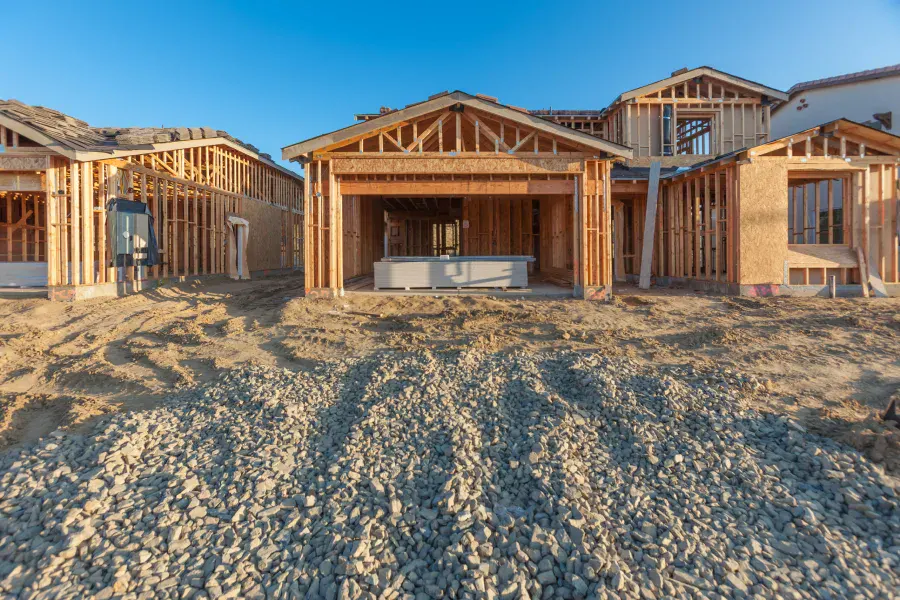
The cost comparison between building an ADU and buying a prefab unit is nuanced. Generally, prefabricated or modular ADUs can be cheaper upfront due to controlled factory construction, which reduces labor time and material waste. However, site-built ADUs, while often having higher initial costs due to extended timelines and potential customizations, can offer better long-term value through higher-quality finishes and perfect integration with your existing property. Key factors include your local permitting costs, site accessibility, foundation requirements, and desired customization. A prefab might save 10-20% on construction but could have higher transportation and crane costs. Always obtain detailed quotes for both options specific to your location and needs.

California offers several financial incentives to encourage ADU construction, though it does not directly pay homeowners a lump sum. The primary support comes through grant and loan programs. A key initiative is the CalHFA ADU Grant Program, which provides up to $40,000 as a forgivable loan to cover pre-development costs like planning and design, with the loan forgiven after five years if the ADU remains an affordable rental. Some cities and counties have their own local grants or low-interest loan programs. Additionally, there are potential property tax exemptions under Proposition 58/193 and, for certain jurisdictions, waived impact fees. These incentives aim to offset costs and increase housing stock.
The most cost-effective ADU option is typically a garage conversion, as it utilizes an existing structure with a solid foundation and roof. This approach significantly reduces material and labor costs compared to new ground-up construction. Other budget-friendly options include converting a basement or building a prefabricated studio unit. To maximize savings, keep the design simple, maintain the existing footprint where possible, and focus on essential finishes. For a detailed breakdown of costs and common considerations for this popular project, we recommend reading our internal article, Los Angeles Homeowners’ Top Garage Conversion FAQs. It addresses many financial and logistical questions homeowners have.
The rules for Accessory Dwelling Units (ADUs) in California are governed by state law, which generally overrides restrictive local ordinances to promote housing. Key statewide rules include allowing one ADU and one Junior ADU (JADU) per single-family lot, with specific size limits (up to 1,200 sq ft for detached units). Local jurisdictions cannot impose excessive parking requirements, especially near transit, and must have a ministerial (non-discretionary) approval process. Setbacks are minimal, and utility connection fees are capped. It is crucial to check with your specific city for any additional design standards or zoning overlays. For a practical example of navigating these rules, see our internal article Garage Conversion to ADU in Glendale.
45 reviews