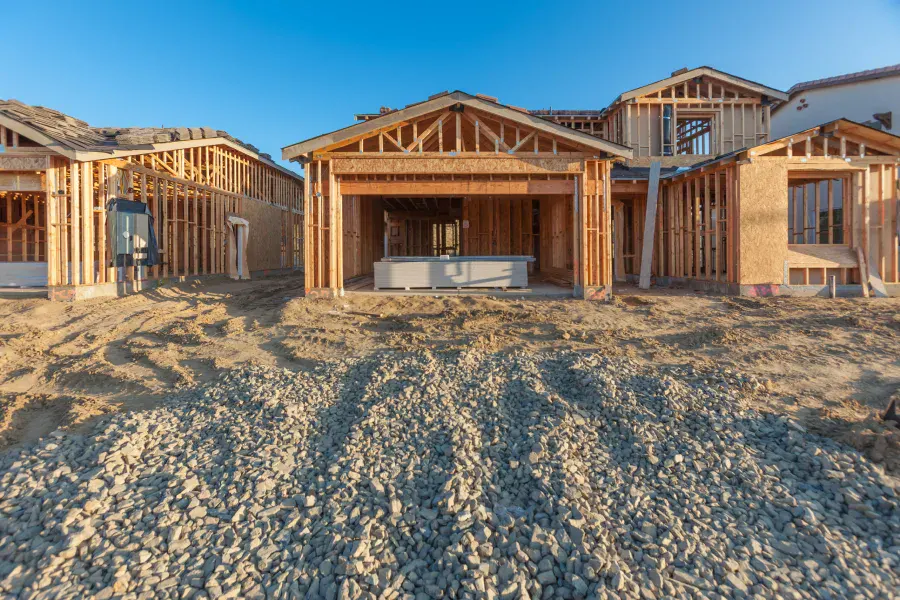
The cost comparison between building an ADU and buying a prefab unit depends heavily on project specifics. Generally, a prefabricated ADU can be cheaper upfront due to controlled factory construction, which reduces labor time and material waste. However, site preparation, foundation work, utility connections, and permitting costs are still significant and similar for both options. A custom-built ADU often has higher initial labor and material costs but can offer more flexibility in design, potentially higher quality finishes, and better integration with an existing property. The final decision should weigh not just base price but also long-term value, local zoning regulations, and your specific needs for space and functionality.

California offers several financial incentives to encourage ADU construction, though it does not directly pay homeowners a lump sum. The primary support comes through state and local grant and loan programs. For example, the California Housing Finance Agency (CalHFA) provides low-interest loans for ADU construction. Some cities and counties have pilot programs offering pre-approved ADU plans or fee waivers to reduce costs. Additionally, there are potential property tax exemptions under Proposition 58. To benefit, homeowners must research specific programs in their jurisdiction, meet eligibility requirements, and often use the ADU for long-term rental, not short-term stays. Consulting with a local ADU specialist is crucial to navigate the available incentives.
The most cost-effective ADU option is typically a garage conversion, as it utilizes an existing structure with a solid foundation and roof, significantly reducing material and labor costs compared to new construction. Other affordable options include prefabricated or modular ADUs, which offer controlled manufacturing environments to minimize waste and time. To maximize savings, focus on a simple, efficient design, standard material selections, and a clear scope of work with your contractor. For a detailed breakdown of costs and common considerations for this popular approach, we recommend reading our internal article, Los Angeles Homeowners’ Top Garage Conversion FAQs. It addresses many key questions homeowners have about starting this type of project.
Common mistakes when building an Accessory Dwelling Unit (ADU) often stem from inadequate planning and cutting corners. A major error is failing to secure proper permits and ignoring local zoning codes, which can lead to costly fines or required demolition. Another is underestimating the budget, not accounting for site prep, utility connections, and finishing costs. Choosing cheap, non-compliant materials or an inefficient layout also compromises long-term value. Critically, DIY electrical or plumbing work without professional oversight creates safety hazards and fails inspections. For specific guidance on a crucial system, our internal article, How To Handle Electrical Wiring In Garage Renovations, offers essential professional advice. Always hire licensed contractors and invest in a thorough feasibility study before breaking ground.
Multi-dwelling unit (MDU) construction in Pacoima for sale represents a significant investment opportunity in a growing market. These projects, which include duplexes, triplexes, and apartment buildings, must comply with Los Angeles's specific zoning codes and building regulations. Key considerations include securing proper permits, adhering to density requirements, and incorporating modern, efficient building systems. For developers, the focus should be on creating durable, high-quality units that meet community needs while ensuring a strong return on investment. For a deeper exploration of the local development landscape, including regulatory insights and project planning, we recommend reading our detailed resource, Multi Dwelling Unit Construction in Pacoima.
McCormick Builders is a well-regarded name in the construction industry, often associated with custom home building and high-quality residential projects. For homeowners considering an Accessory Dwelling Unit (ADU), selecting a builder like McCormick requires careful vetting. It is crucial to verify their specific experience with ADU construction, as local zoning laws, permit acquisition, and efficient small-footprint design are specialized skills. Always check their contractor's license, insurance, and portfolio of completed ADU projects. Obtain detailed written estimates and compare the scope of work, materials, and timelines with other qualified ADU contractors to ensure you receive a fair price and a design that maximizes your property's value and functionality.
45 reviews