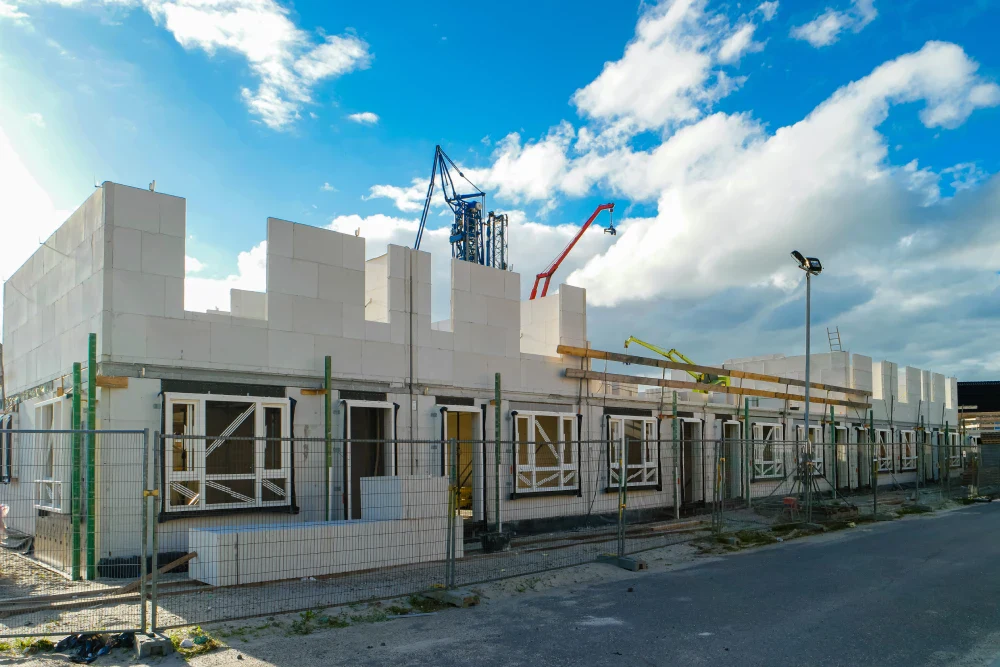
The requirements for an Accessory Dwelling Unit (ADU) in Glendale, CA, are governed by state law and local ordinances. Key standards include a maximum size of 1,200 square feet for detached ADUs, with height limits typically up to 25 feet. At least one off-street parking space is required, though exemptions exist near transit. The unit must be on a lot with an existing or proposed single-family home and comply with setback requirements, which may be reduced for ADUs. All construction must meet current building, fire, safety, and zoning codes. For a detailed breakdown of local specifics and the approval process, we recommend reviewing our internal article, ADU Construction in Glendale.
Glendale, California is generally considered an affluent area with a high cost of living. The median household income significantly exceeds both the state and national averages. The city features upscale neighborhoods like the Rossmoyne and Oakmont areas, which are known for their substantial homes and well-maintained properties. Its robust local economy, low crime rates compared to surrounding regions, and highly-rated public schools contribute to its desirability and wealth concentration. However, Glendale is a diverse city with a range of income levels, and some areas are more modest. Overall, its prime location in Los Angeles County, strong property values, and economic stability firmly establish it as a prosperous community.
A two-family dwelling, also known as a duplex, is a single residential building designed to house two separate households. It features two distinct living units, each with its own private entrance, kitchen, sleeping areas, and bathroom facilities. These units can be arranged side-by-side or stacked vertically. This property type is a common form of multi-family housing and is often governed by specific zoning and building codes that differ from those for single-family homes. For homeowners, converting a property into a legal two-family dwelling or building an accessory dwelling unit (ADU) can provide significant rental income and increase property value, but it requires careful adherence to local regulations regarding permits, safety standards, and utility separations.

Glendale, California, is famous for several key attractions and its unique character. It is widely known as the home of the Americana at Brand and Glendale Galleria, forming one of the largest shopping destinations in the Western United States. The city is also a major hub for the entertainment industry, hosting the headquarters of notable companies like DreamWorks Animation and The Walt Disney Company's Grand Central Creative Campus. Furthermore, Glendale boasts a rich architectural heritage with many historic buildings and is renowned for its large and vibrant Armenian-American community, which contributes significantly to the local culture and dining scene. Its proximity to the Verdugo Mountains also offers ample outdoor recreation.
The Glendale housing assistance program offers various resources to support residents with affordable housing needs. Key initiatives include rental assistance, first-time homebuyer programs, and foreclosure prevention services. Eligibility often depends on income level, family size, and residency status. Applicants typically need to provide documentation such as proof of income, identification, and rental agreements. It is advisable to contact the Glendale Community Development Department or the Housing Authority directly for the most current application details and available funding. These programs aim to promote housing stability and are crucial for low to moderate-income households in the community.
A covenant and agreement for a junior accessory dwelling unit (JADU) is a legally binding document, often required by local jurisdictions, that outlines the conditions and restrictions for the unit's creation and use. This agreement typically runs with the land, meaning it binds all future owners. Key provisions usually mandate that the JADU remains subordinate to the primary residence, prohibit its sale separately, and require owner-occupancy of either the main house or the JADU. It also enforces compliance with all zoning codes, building standards, and rental regulations. Recording this covenant with the county recorder's office is a standard step to ensure the JADU is legally established and that all parties understand the long-term obligations, which are crucial for maintaining the unit's permitted status.
Glendale's R2250 zoning is a residential classification permitting single-family homes with a minimum lot size of 2,250 square feet. This is a relatively high-density residential zone, allowing for smaller lot developments compared to other single-family zones. Key regulations typically include building height limits, setbacks from property lines, and floor area ratios (FAR) to control the structure's mass. For ADU development, this zoning often allows one accessory dwelling unit and one junior ADU (JADU) per lot, subject to California state law overrides and local ordinances. It is crucial to consult Glendale's specific municipal code and planning department for exact lot coverage percentages, parking requirements, and any design review processes before proceeding with any construction project.
45 reviews