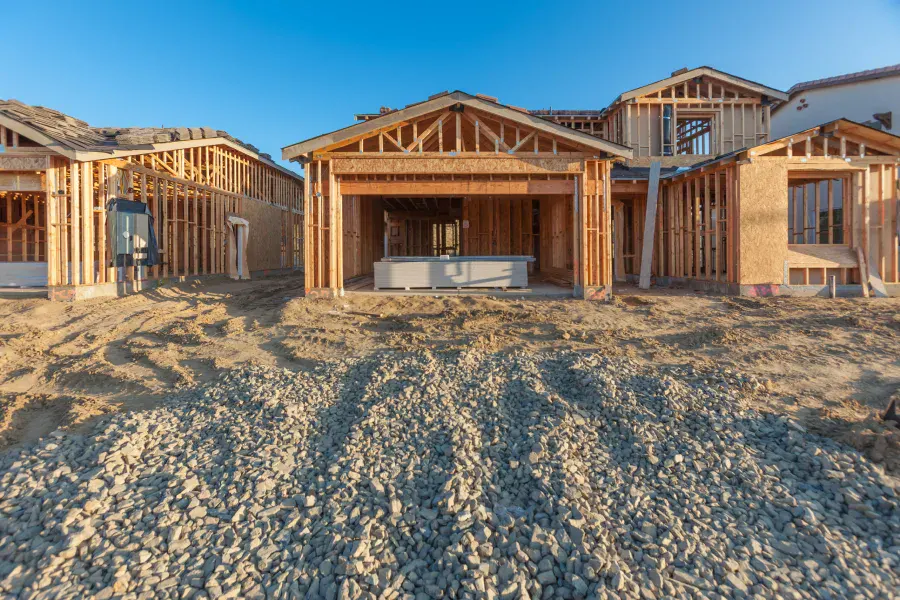
The cost comparison between building an ADU and buying a prefab unit depends heavily on project specifics. Generally, prefabricated or modular ADUs can be cheaper upfront due to controlled factory construction, which reduces labor time and material waste. However, site-built ADUs offer more customization and can sometimes be more cost-effective if integrating with an existing structure or using simpler designs. Key factors include site preparation costs (foundation, utilities), local permit fees, and finish selections. For either option, total cost involves the unit itself plus site work, utility connections, permits, and interior finishes. A detailed quote from a contractor for both methods is essential for an accurate comparison.
Determining the highest rated home builder depends on the region, project type, and specific rating criteria such as customer satisfaction, volume, or industry awards. Nationally, large production builders like Lennar, D.R. Horton, and PulteGroup often top lists for the number of homes closed. For customer satisfaction and quality, regional custom builders or smaller luxury firms frequently receive higher ratings from organizations like J.D. Power. The key is to research builders with a strong local reputation, verified customer reviews, and a robust portfolio. For ADU construction specifically, the highest-rated contractors are typically specialized local companies with proven expertise in zoning, design, and maximizing smaller footprints, rather than the largest national brands.

California offers several financial incentives to encourage ADU construction, though they do not directly pay homeowners a lump sum. Key programs include the CalHFA ADU Grant Program, which provides up to $40,000 as a forgiven loan to cover pre-development costs like planning and permit fees. Some local jurisdictions and utilities also offer rebates or streamlined processes. Importantly, building an ADU can generate significant rental income, improving long-term affordability. Homeowners should consult with their city's planning department and a knowledgeable contractor to identify all applicable grants, low-interest loan programs, and potential fee waivers available in their specific area.
The most cost-effective ADU option is typically a garage conversion, as it utilizes an existing structure with a solid foundation and roof, significantly reducing material and labor costs compared to new construction. Other budget-friendly options include converting a basement or building a prefabricated studio unit. To maximize savings, focus on a simple design, standard finishes, and efficient project management. For a detailed breakdown of costs and common considerations, including insights specific to garage conversions, we recommend reading our internal article, Los Angeles Homeowners’ Top Garage Conversion FAQs. It addresses many of the financial and logistical questions homeowners have when starting such a project.
45 reviews