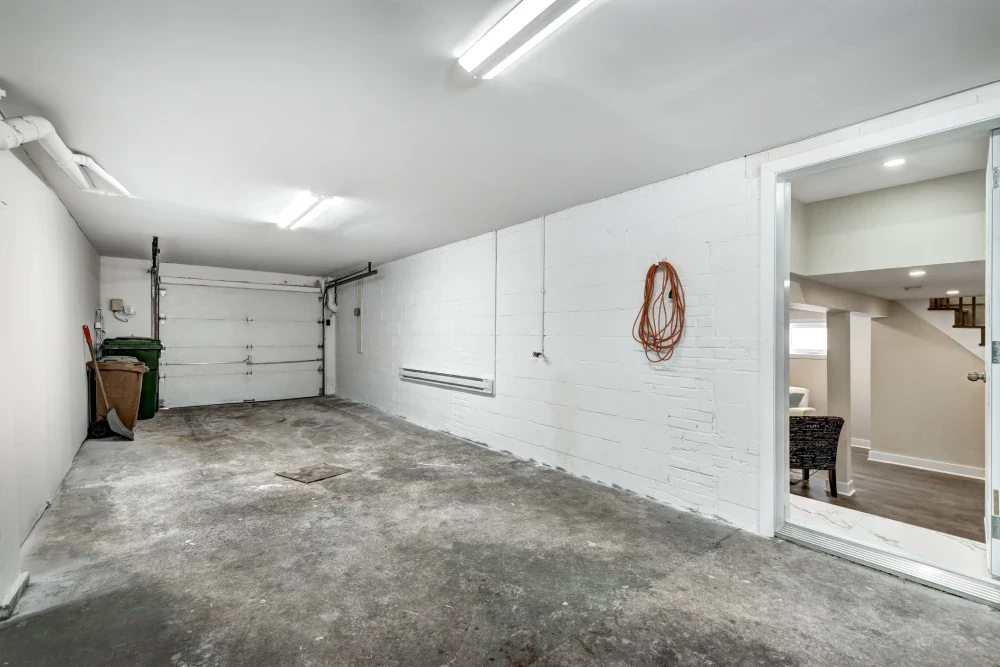
The cost to convert a two-car garage into an Accessory Dwelling Unit (ADU) typically ranges from $120,000 to $250,000 or more in the Los Angeles area. This wide range depends heavily on the level of finish, the complexity of utility connections, and specific city permit requirements. A basic conversion with a simple bathroom and kitchenette starts at the lower end, while a high-end, fully permitted unit with premium finishes, separate HVAC, and new sewer connections can reach the upper limit. Key cost drivers include foundation work, plumbing and electrical upgrades, insulation, and compliance with current building codes. For a detailed look at the process and value in a specific area, see our internal article Garage Conversion to ADU in Studio City.
The cost to convert a garage into an ADU in California varies significantly based on location, size, and project scope, but typically ranges from $100,000 to $250,000. Key cost factors include foundation work, plumbing and electrical upgrades, insulation, HVAC installation, and compliance with current building codes for a legal dwelling. In high-cost areas like Los Angeles or the Bay Area, prices trend toward the higher end. Securing permits and professional design services are also major expenses. For a detailed breakdown of costs, benefits, and the process specific to Los Angeles, we recommend reading our internal article Transform Your Garage in LA into a Profitable Rental Unit | A1 ADU Contractor. Proper planning with a licensed contractor is essential for budgeting accurately and ensuring a profitable investment.
The cost to convert a garage into an annex typically ranges from $40,000 to $150,000, with a national average around $75,000. This wide variation depends heavily on the project's scope and location. A basic conversion with minimal plumbing might be at the lower end, while a full accessory dwelling unit (ADU) with a kitchen, bathroom, and high-end finishes can reach the higher figures. Key cost drivers include foundation work, new insulation, HVAC systems, plumbing and electrical upgrades, and permit fees. For a project focused on creating a comfortable living space without a full kitchen, you can find excellent design inspiration in our internal article, Creating A Cozy Guest Bedroom From Your Empty Garage. Always consult with a licensed contractor for a precise quote based on your specific plans and local building codes.

The 10-year rule for garage conversions typically refers to a provision in some local building codes or zoning ordinances that allows for the legalization of an unpermitted conversion if it has existed for a certain period, often 10 years, without official complaint. This concept, sometimes called a "statute of limitations" on code violations, means that if the converted space was constructed without permits but has been in continuous, unchallenged use for a decade, it may be granted legal non-conforming status. However, this is not a universal rule and varies significantly by jurisdiction. It is crucial to consult with your local building department, as many areas do not have such a provision and an unpermitted conversion can create serious issues with liability, insurance, and property sales. Always secure proper permits before starting any conversion project.
45 reviews