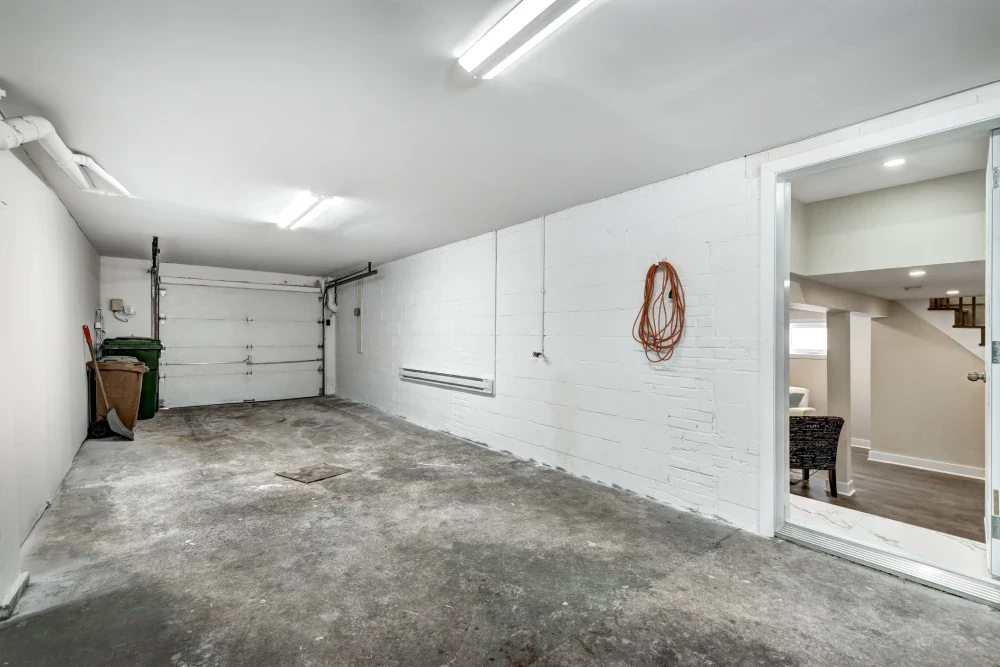
The cost to convert a garage into an ADU in California typically ranges from $100,000 to $250,000, with a common average around $150,000. This wide range depends heavily on the project's scope, location, and finish quality. Key cost factors include foundational work, insulation, plumbing, electrical, HVAC, and meeting stringent California building codes for energy efficiency (Title 24) and seismic safety. Additional significant expenses are permit fees, which vary by city, and potential utility connection charges. While a basic conversion starts lower, most projects require comprehensive upgrades to create a legal, habitable living space, making professional design and contractor services a necessary investment for compliance and quality.

The cost to convert a garage into an annex typically ranges from $40,000 to $150,000, with a national average around $80,000. This wide variation depends heavily on the project's scope and location. A basic conversion with minimal plumbing and electrical updates will be at the lower end. A full accessory dwelling unit (ADU) conversion with a complete kitchen, bathroom, insulation, and high-end finishes can reach the higher figures. Key cost factors include foundation work, utility connections (especially sewer), permits, insulation, and interior finishes. It is crucial to consult with a professional ADU contractor for a detailed estimate, as local building codes, permit fees, and site-specific challenges significantly impact the final budget.
Converting a garage into an Accessory Dwelling Unit (ADU) is often a highly worthwhile investment. It provides a significant source of rental income, increases your property's overall value, and offers flexible living space for family members, guests, or a home office. The existing structure typically makes the conversion more cost-effective and faster than a ground-up build. However, success depends on securing proper permits, ensuring the space meets building codes for insulation, plumbing, and egress, and designing a functional layout. For a detailed breakdown of the process and benefits, see our internal article Ultimate Guide to Converting Your Garage into a Stylish Bedroom and Bathroom. A well-executed garage ADU conversion is a strategic way to maximize your property's utility and financial return.
Yes, you almost certainly need a permit to convert your garage into a habitable room in California. This is a major structural and functional change that must comply with state and local building codes for safety, zoning, and energy efficiency. The permit process ensures the new living space meets requirements for foundations, insulation, electrical systems, plumbing, ventilation, emergency egress, and ceiling height. Unpermitted work can lead to fines, forced removal, and significant problems when selling your home. For a detailed guide on this popular project, including key considerations for a legal conversion, see our internal article Transforming Your Garage into a Fabulous In-Law Suite. Always consult your local building department for specific local ordinances.
The cost for a 2-car garage ADU conversion in Granada Hills typically ranges from $120,000 to $250,000, with the final price heavily dependent on the project's scope and finish level. Key cost factors include the existing structure's condition, the complexity of plumbing and electrical rough-ins, interior finishes, and permitting fees with the City of Los Angeles. A high-quality conversion that includes a kitchen, bathroom, and proper insulation will be at the higher end of the spectrum. For a detailed breakdown of costs, design considerations, and the value this project can add to your property, we recommend reading our internal article on 2 Car Garage ADU Conversion in North Hills. Professional planning is crucial to navigate local zoning and building codes efficiently.
Converting a 2-car garage into an Accessory Dwelling Unit (ADU) in Granada Hills, California, is a popular project to add rental income or family housing. The process requires navigating Los Angeles city and California state ADU regulations, which are generally favorable but have specific requirements for garage conversions. Key considerations include ensuring the foundation and structure are sound, meeting minimum ceiling height and window egress standards, and integrating new plumbing, electrical, and HVAC systems. A critical first step is consulting with the local building department to confirm zoning, obtain necessary permits, and understand any specific local ordinances. Hiring a licensed contractor experienced in ADU conversions is essential for ensuring the new unit is safe, legal, and adds maximum value to your property.
45 reviews