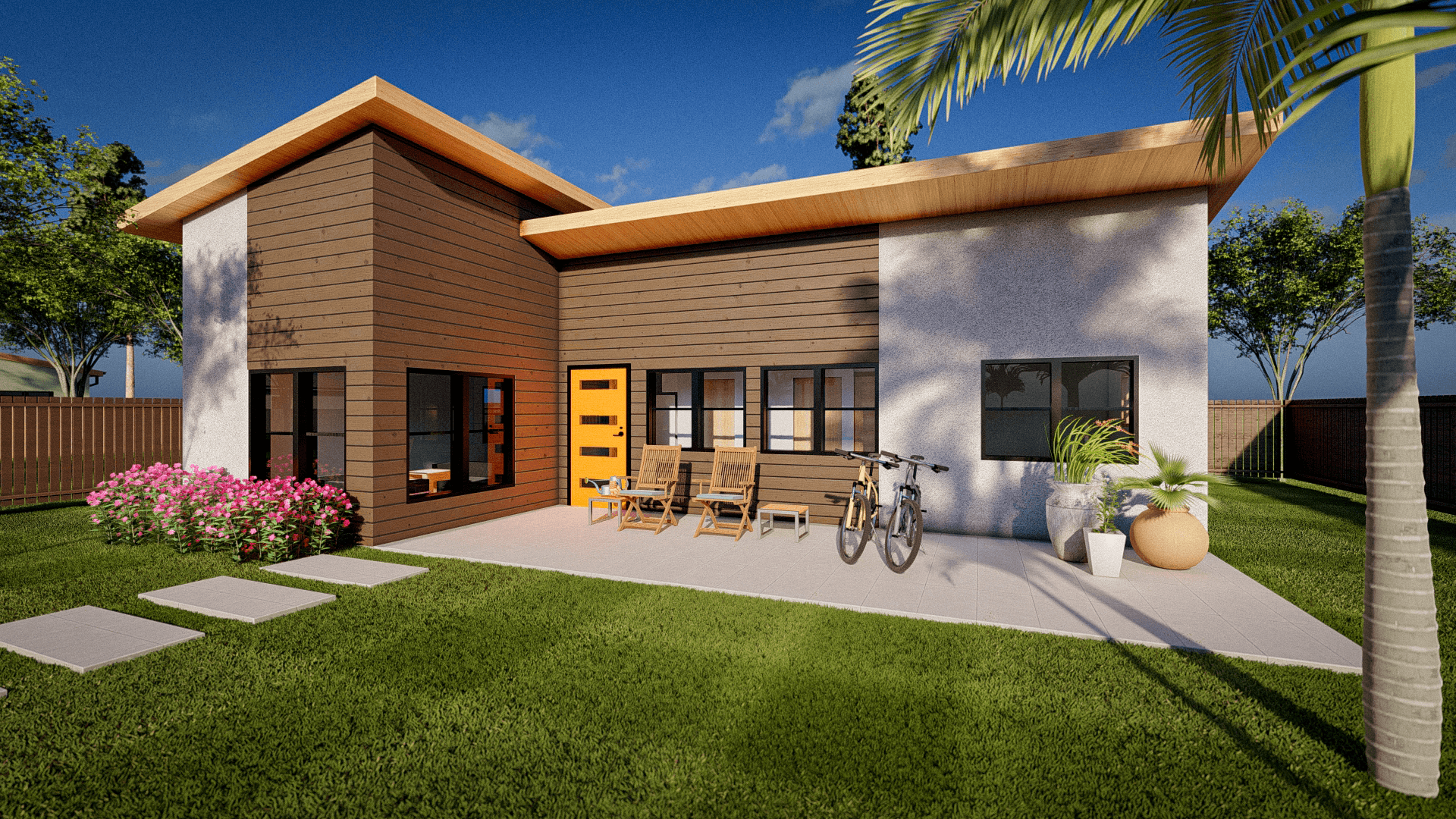
The $40,000 grant in California is a reference to the CalHFA ADU Grant Program. This initiative provides forgivable loans of up to $40,000 to qualified homeowners to cover pre-development and non-recurring closing costs associated with building an Accessory Dwelling Unit (ADU) or Junior ADU (JADU). The funds are intended to help offset expenses like design, permits, soil tests, impact fees, and utility connections. To be eligible, applicants must meet income limits, intend to rent the ADU, and use a licensed contractor. The loan is forgiven after five years if the homeowner complies with all program terms, including affordable rent restrictions. This program is a significant tool to encourage the creation of more housing.
The cost to build a 1000 sq ft Accessory Dwelling Unit (ADU) in California varies significantly based on location, design, and site conditions. On average, you can expect a range from approximately $300,000 to $500,000 or more. This includes expenses for design, permits, foundation, construction, utilities, and finishes. Factors like complex topography, high-end materials, or connecting to sewer lines can increase the price. It is crucial to work with a licensed contractor who understands local zoning and building codes to avoid costly delays. For a deeper dive into planning and budgeting for an ADU project in Southern California, we recommend our internal article Los Angeles, CA Home Builder ADU Expert | A1 ADU Contractor. Obtaining multiple detailed quotes is the best way to establish an accurate budget for your specific project.

The cost comparison between building an ADU and buying a prefab unit is nuanced. Generally, a prefabricated ADU can be cheaper upfront due to controlled factory construction, which reduces material waste and labor time. However, site-built ADUs offer greater customization and may have lower per-square-foot costs for larger projects, though they face more variables like weather delays and contractor availability. Key factors include site preparation costs (foundation, utilities, permits), which are significant for both types. A prefab often has a more predictable total cost and faster timeline, while a custom build can better integrate with an existing property's layout and aesthetics. A detailed proforma from a qualified contractor is essential for an accurate comparison.
The most cost-effective ADU option is typically a garage conversion, as it utilizes an existing structure with a solid foundation and roof, significantly reducing material and labor costs compared to new construction. Other affordable options include converting a basement or a portion of the interior living space. Prefabricated or modular ADUs can also offer savings through controlled factory construction. To maximize budget efficiency, focus on a simple design, standard materials, and avoid complex site work. For a detailed breakdown of costs and common considerations for the most popular low-cost option, we recommend reading our internal article, Los Angeles Homeowners’ Top Garage Conversion FAQs.
45 reviews