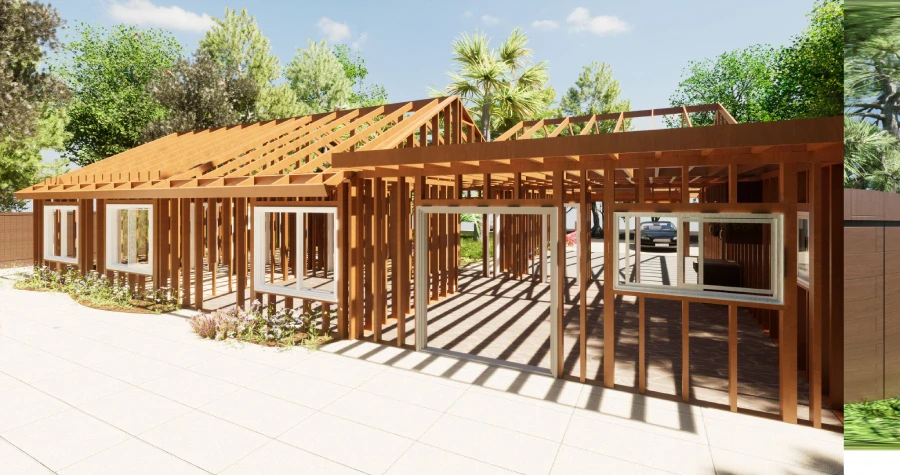
The $40,000 grant in California typically refers to the CalHFA ADU Grant Program. This initiative provides forgivable loans of up to $40,000 to qualified homeowners to cover pre-development costs associated with building an Accessory Dwelling Unit (ADU) or Junior ADU (JADU). Eligible costs include impact fees, planning, design, permitting, soil testing, and architectural services. The loan is forgiven if the homeowner completes the ADU and occupies either the primary residence or the ADU as their primary home for five years. This program is designed to alleviate the financial burden of upfront soft costs, making ADU construction more accessible and helping to address the state's housing shortage. It is crucial to check current program guidelines, as funding availability and specific terms can change.
The cost of an ADU in California varies widely based on size, design, and location, but a general range is between $200,000 and $400,000 for a new detached unit. Key factors influencing price include site preparation, foundation type, materials, and permitting fees. It's crucial to budget for professional design, engineering, and a licensed contractor to ensure compliance with state and local codes. For a more specific and potentially cost-effective project, consider exploring options like a garage conversion, which can significantly reduce foundation and framing expenses. You can learn more about this approach in our detailed resource, Garage to ADU Conversions Mission Hills, CA | A1 ADU Contractor. Always obtain multiple detailed quotes and ensure your contract clearly outlines all costs and scope.
The cost comparison between building an ADU on-site and buying a prefabricated unit is nuanced. Generally, prefab ADUs can be cheaper upfront due to controlled factory construction, which reduces material waste and labor time. However, site-built ADUs offer greater customization and may better integrate with an existing property's architecture, potentially increasing property value more significantly. Key cost factors for both include site preparation, foundation work, utility connections, permits, and finishing. A prefab might have a lower base price, but total installed cost can vary widely. For an accurate comparison, obtain detailed quotes for both options specific to your site, local permitting fees, and utility requirements.
The most cost-effective ADU option is typically a garage conversion, as it utilizes an existing structure with a solid foundation and roof, significantly reducing material and labor costs compared to new construction. Other affordable options include prefabricated or modular ADUs, which offer controlled manufacturing environments to minimize waste and time. To maximize savings, focus on a simple design, standard finishes, and efficient project management. For a detailed breakdown of costs and common considerations for this popular approach, we recommend reading our internal article, Los Angeles Homeowners’ Top Garage Conversion FAQs. It addresses many budget-related questions homeowners have when starting their ADU project.
45 reviews