The $40,000 grant in California is a reference to the CalHFA ADU Grant Program. This initiative provides up to $40,000 in forgivable loans to qualified homeowners to cover pre-development and non-recurring closing costs associated with building an Accessory Dwelling Unit (ADU) or Junior ADU (JADU). The funds are intended to help offset expenses like design, permitting, impact fees, and construction. To be eligible, applicants must meet income limits, intend to rent the ADU to a low or moderate-income household, and use a licensed contractor. The grant converts to a loan that is forgiven over five years, provided all program conditions are continuously met. It's a significant incentive to increase affordable housing stock.
The cost comparison between building an ADU and buying a prefab unit depends heavily on project specifics. Generally, prefabricated or modular ADUs can be cheaper upfront due to controlled factory construction, which reduces labor time and material waste. However, site-built ADUs offer greater customization and can sometimes be more cost-effective if integrating with an existing structure or using simpler designs. Key factors include site preparation costs, foundation requirements, utility connections, and local permitting fees, which apply to both methods. A prefab might have a lower base price, but total installed cost can be comparable. For an accurate budget, obtain detailed quotes for both options from licensed contractors, factoring in long-term value and your specific needs.
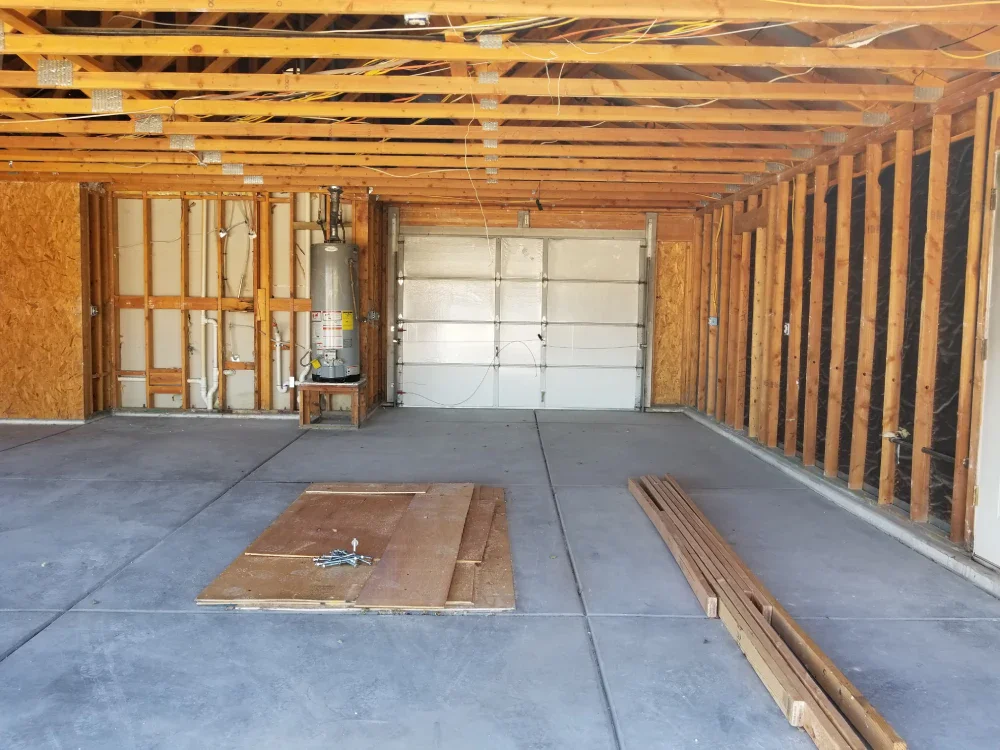
The most cost-effective way to build an ADU is to utilize an existing structure on your property, such as converting a garage, basement, or a detached workshop. This approach saves significantly on foundation and framing costs. Prefabricated or modular ADU units are another excellent budget-friendly option, as factory construction reduces labor time and material waste. To maximize savings, focus on a simple, efficient design, use standard-sized materials to avoid custom cuts, and handle some non-specialized tasks yourself if you have the skills. For a practical example of a budget-conscious project, see our internal article Garage Conversion: Cost-Effective Home Office Ideas in Los Angeles | A1 ADU Contractor. Always work with a licensed contractor like A1 ADU Contractor to ensure all work meets Los Angeles building codes and zoning requirements, preventing costly mistakes.
While it is legally possible to build your own ADU without a licensed contractor, it is a complex undertaking that requires significant expertise. Homeowners acting as their own general contractor must pull all permits, ensure full compliance with state and local building codes, and coordinate all specialized trades like electrical, plumbing, and structural work. This process demands a deep understanding of construction management, zoning laws, and the California ADU-specific regulations. Mistakes can lead to costly delays, failed inspections, and safety issues. For most homeowners, hiring a professional ADU contractor is strongly recommended to navigate the intricate process efficiently, guarantee quality, and ultimately protect the investment and value of the property.

45 reviews